
Vertical Lifts for the Home: Ultimate Mobility Guide
Maintaining effortless mobility across multiple floors is essential for comfortable living. Whether you are planning to age in place, accommodating family members with mobility challenges, or simply seeking a sophisticated way to move heavy items between levels, vertical lifts for the home offer a modern, efficient solution. Unlike traditional stairlifts, which travel along an inclined track attached to a staircase, vertical residential lifts move straight up and down, offering a experience much closer to a full-sized commercial elevator while taking up a fraction of the structural footprint.
As residential architecture continues to favor multi-story layouts, vertical lifts for the home have evolved from high-end architectural luxuries into practical, accessible appliances. Today’s options are sleeker, quieter, and far more customizable than earlier generations. In this comprehensive guide, we will explore how these lifts operate, their major benefits, key structural considerations, cost factors, and how to choose the ideal system for your living space.
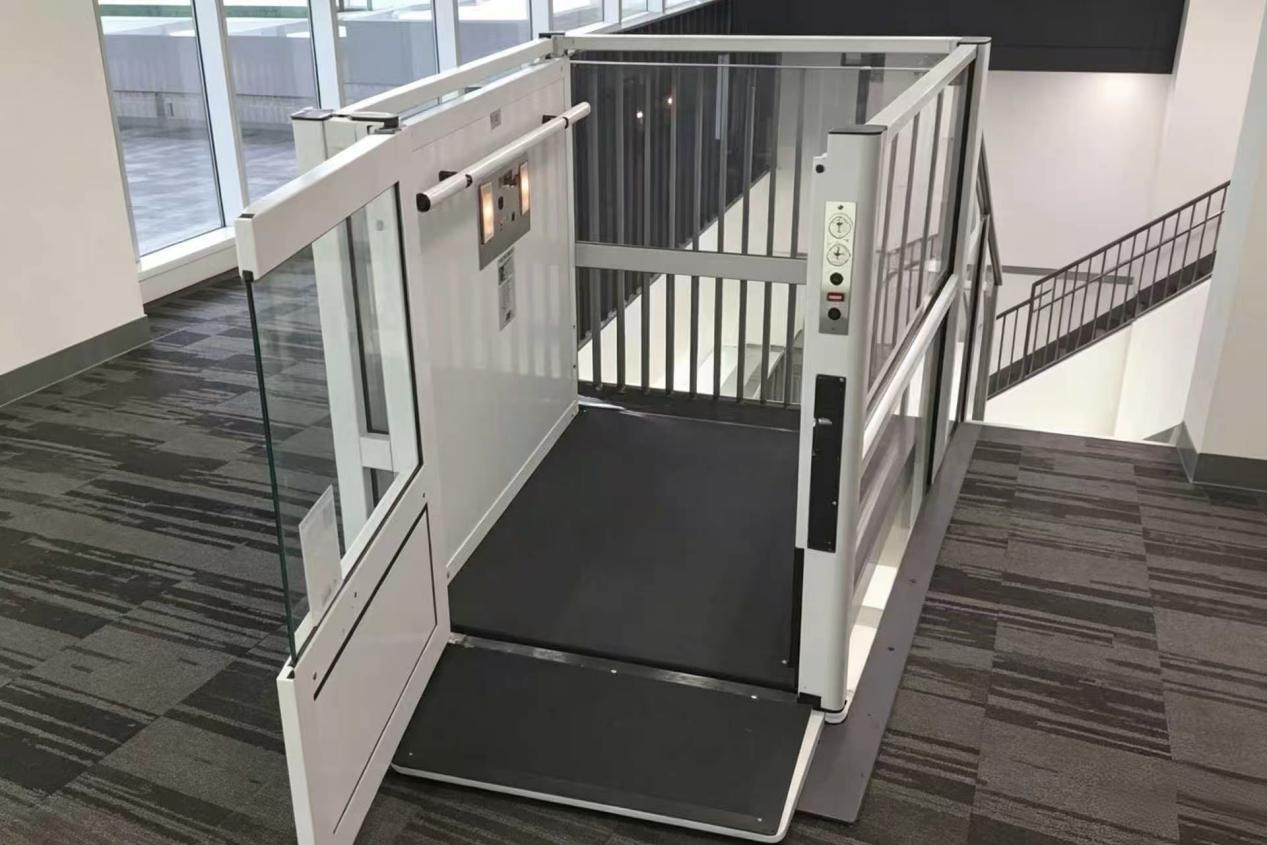
What Are Vertical Lifts for the Home and How Do They Work?
At its core, a home vertical lift is a powered platform or enclosed cab designed to transport passengers and items vertically between levels. While commercial elevators require massive machine rooms, deep pits beneath the floor, and tall overhead hoistways, modern vertical lifts for the home are specifically engineered to integrate smoothly into existing residential architecture with minimal construction disruption.
Depending on your structural environment and aesthetic preferences, vertical lifts for the home operate on various drive mechanisms:
Hydraulic Drive Systems: These systems use a hydraulic pump to move a piston upward and downward. Known for providing an exceptionally smooth and quiet ride, hydraulic vertical lifts for the home are capable of handling high load capacities, making them ideal for larger multi-story houses.
Traction (Cable) Drive Systems: Operating via a motor, cables, and counterweights, traction systems move the cab up and down along vertical steel rails. They are highly energy-efficient and do not require hydraulic fluid storage, making them a clean and reliable choice.
Screw-Drive Systems: Utilizing a threaded steel rod (screw) and a motor-driven nut, these lifts offer robust performance in a compact frame. Screw-drive systems are virtually immune to free-fall risks due to their mechanical design, making them a safe choice for compact home spaces.
Pneumatic (Vacuum) Systems: Utilizing air pressure differentials generated by a vacuum pump above the cab, pneumatic vertical lifts for the home move smoothly inside a clear cylindrical shaft. They require minimal pre-construction work and offer panoramic views of your interior environment.
Why Consider Installing Vertical Lifts for the Home?
Investing in home mobility infrastructure provides benefits that reach well beyond physical convenience. Here are the primary reasons why homeowners are choosing vertical lifts for the home over traditional alternatives like ramps or stairlifts:
1. Uncompromising Safety and Ease of Access
Navigating stairs carrying laundry, groceries, or luggage presents a constant fall risk for residents of all ages. By installing vertical lifts for the home, you eliminate stair hazard risks entirely. Modern residential lifts come equipped with emergency battery lowering systems, obstruction sensors, door safety interlocks, and manual lowering valves to guarantee complete peace of mind.
2. Preserving Long-Term Independence
Aging in place allows individuals to stay in their beloved homes throughout their golden years without needing to relocate due to stairs. Installing vertical lifts for the home ensures that every floor remains fully accessible regardless of changing physical mobility over time.
3. Space Efficiency and Design Aesthetics
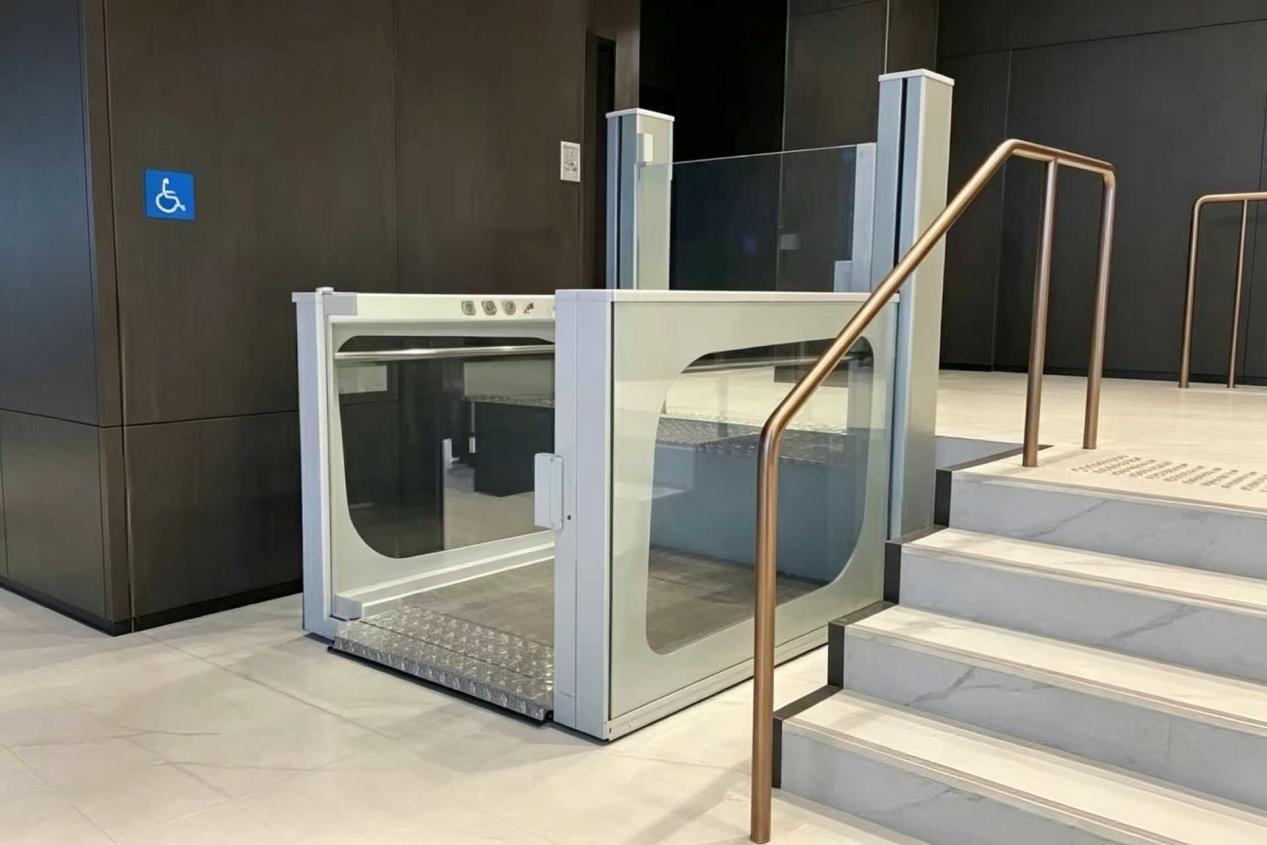
Unlike stairlifts, which clutter your staircase and leave tracks visible along the steps, vertical lifts for the home can be enclosed in an attractive hoistway, integrated into an unused closet column, or styled as a freestanding glass feature. Shaftless vertical lifts for the home can even pass through simple floor cutouts without requiring dedicated shaft walls.
4. Property Value Enhancement
A tastefully installed lift is a premium feature that sets your property apart in the real estate market. Prospective buyers recognize the long-term utility of vertical lifts for the home, making your property attractive to a wider range of buyers, including multi-generational families and retirees.
Comparing Types of Home Vertical Lifts
Choosing the right drive mechanism and enclosure type depends on your budget, available floor area, and architectural layout. The table below compares the most common configurations of vertical lifts for the home:
Lift Type | Primary Drive Mechanism | Typical Weight Capacity | Pit Depth Required | Key Advantage | Best Suited For |
Hydraulic Residential Lift | Hydraulic fluid & piston | 750 – 1,000 lbs (340–450 kg) | 6 to 12 inches | Ultra-smooth motion, high weight capacity | Multi-story homes, heavy-duty usage |
Inline Traction Lift | Electric motor & steel cables | 500 – 800 lbs (225–360 kg) | 6 inches or pitless | High energy efficiency, no fluid tank | Modern multi-level homes with space limits |
Screw-Drive Lift | Threaded steel rod & nut | 500 – 750 lbs (225–340 kg) | 2 to 3 inches | Very compact footprint, low pit requirement | Retrofitting existing homes with tight spaces |
Pneumatic Vacuum Lift | Air pressure differential | 350 – 500 lbs (160–225 kg) | Pitless (floors-on-top) | 360° panoramic view, rapid installation | Minimalist interiors, 2-to-3 story clear spaces |
Key Factors to Evaluate Before Purchasing
Before selecting specific vertical lifts for the home, evaluate your property’s physical setup and your household's daily operational needs.
Available Spatial Footprint and Structural Support
Determine where the lift will sit on each floor. Do you have a series of stacked closets that can be converted into a continuous shaft? Or do you prefer a freestanding lift in a living corner or foyer? While compact vertical lifts for the home require as little as 10 to 12 square feet of floor area, you must verify that upper-floor floor joists and ground slabs can support the structural loads involved.
Weight Capacity and Cab Dimensions
Consider what—and who—the lift will transport. If the primary user relies on a power wheelchair or requires an accompanying caregiver, select vertical lifts for the home that offer internal cab dimensions of at least 36 by 54 inches and a weight threshold of 750 lbs or more. If the unit is intended primarily for single-person ambulatory use, a smaller 30-by-30-inch cab may suffice.
Power Requirements and Emergency Protocols
Most vertical lifts for the home operate on standard household single-phase power (typically 220V or 110V depending on the drive drive system). However, always ensure the equipment includes a backup battery system. In the event of a municipal power outage, reliable vertical lifts for the home will automatically lower the car to the nearest floor and unlock the door safely, preventing passengers from getting trapped inside.
Customization and Interior Finishes
Because your lift is a permanent fixture in your living space, aesthetics matter. Quality vertical lifts for the home can be tailored with custom wall panels, glass walls, recessed LED lighting, brushed stainless steel handrails, flooring options matching your hardwood or tile, and automatic sliding or swing doors.
Installation Process: What to Expect
Integrating vertical lifts for the home into an existing home or new build follows a structured process:
Site Assessment & Structural Engineering: A qualified technician inspects your home's structural framing, electrical panel, floor cutouts, and overhead clearance to confirm feasibility.
Model Selection & Shaft Preparation: You select the drive mechanism, dimensions, cab finish, and door configurations. Contractors perform any necessary civil work, such as cutting floor openings, reinforcing mounting walls, or digging a shallow pit.
Mechanical & Electrical Installation: Certified installers mount the guide rails, position the drive assembly, place the cab inside the shaft or frame, and wire the control units.
Testing, Safety Checks, and Certification: The technicians perform load testing, calibrate safety brakes, test battery backup systems, and verify emergency communication devices to meet local building code regulations.
Frequently Asked Questions (FAQs)
How much maintenance do vertical lifts for the home require?
Routine preventive maintenance is recommended at least once per year for standard residential usage. Annual inspections ensure that cables, hydraulic seals, drive nuts, safety interlocks, and emergency batteries function properly, extending the operational life of your equipment.
Can vertical lifts for the home be installed in an existing multi-story property?
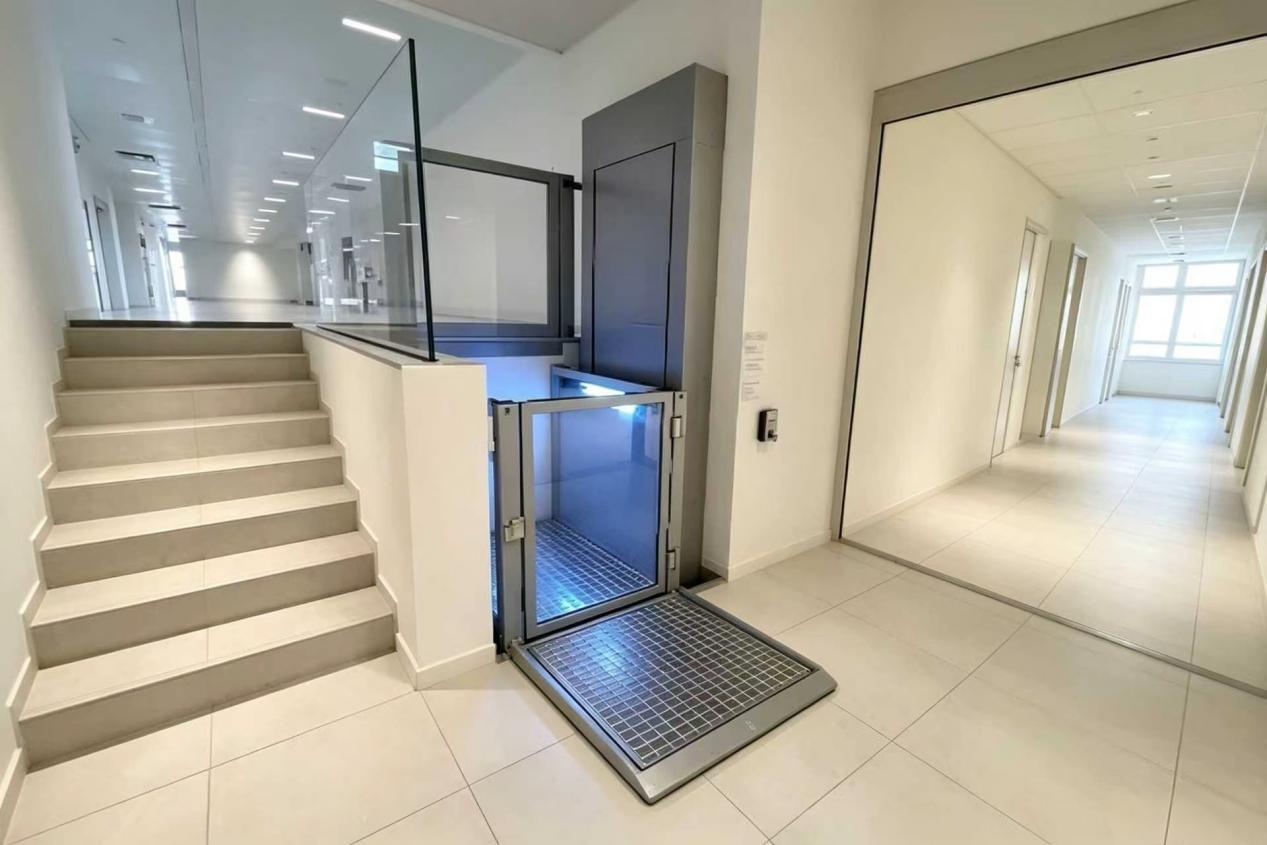
Yes. Many modern vertical lifts for the home are specifically engineered for retrofit installation. Shaftless models, pneumatic lifts, and compact screw-drive lifts require minimal structural modifications and can be installed through simple ceiling cutouts in just a few days.
What happens if the power goes out while someone is inside the lift?
All high-quality vertical lifts for the home feature emergency battery backup systems (UPS). If utility power fails mid-transit, the safety controls automatically activate, lowering the cab to the lowest landing floor and unlocking the door so occupants can step out safely.
Are vertical lifts for the home noisy during operation?
No. Modern residential lifts operate very quietly, typically generating noise levels below 50 to 55 decibels—comparable to a modern kitchen refrigerator or quiet background conversation. Hydraulic and pneumatic systems are particularly renowned for their smooth, low-vibration performance.
Conclusion: Upgrade Your Home's Living Standard
Investing in vertical lifts for the home is one of the most effective ways to combine architectural luxury with long-term functional independence. By selecting a system tailored to your building layout and mobility requirements, you ensure that every square foot of your home remains comfortably accessible for decades to come.
Whether you need a heavy-duty hydraulic elevator for a multi-level estate or a compact, shaftless solution for an urban townhome, working with an experienced manufacturer ensures superior build quality, long-term safety compliance, and smooth installation.
For technical specifications, customized layout planning, or professional consultation regarding high-performance lifting solutions, contact our expert team today:
Email: info@tebolift.com
Phone / WhatsApp: +86 189 5417 1380
Country*
*Email*
*Address
Name*
*Phone*
*City
Message
*

