
Home Elevators for Wheelchairs: Ultimate Technical Guide
Residential architectural design and modern multi-story home layouts face an uncompromising human variable when mobility profiles change: the standard staircase becomes a barrier to independence. When a property must be adapted to support aging in place or physical rehabilitation, vertical transition vectors must be completely reimagined. For individuals reliant on mobility devices, retrofitting an environment requires an analytical approach that goes far beyond basic mechanical lifting. True accessibility relies on seamless structural integration, intuitive controls, and robust safety mechanisms.
Investing in home elevators for wheelchairs represents a permanent commitment to restoring full spatial autonomy within a private residence. However, navigating the procurement process requires a clear understanding of space dimensions, weight capacities, drive systems, and national safety codes. Unlike light-duty cargo lifts, passenger-rated accessibility systems must provide a spacious, stable, and completely secure platform that accommodates both the user and their specific mobility equipment. This technical guide explores the core engineering parameters necessary to choose the optimal system for your home layout.
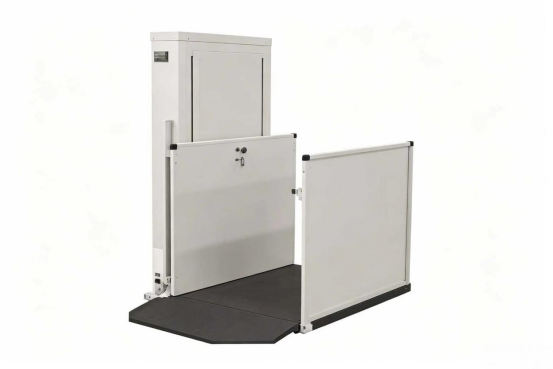
The Core Advantages of Dedicated Residential Mobility Hoists
When reviewing mobility solutions for multi-level homes, property owners frequently compare vertical platform lifts, inclined stairlifts, and fully enclosed residential elevators. While stairlifts offer a lower upfront cost, they require the user to manually transfer from their mobility device onto a small chair, which poses a significant fall risk.
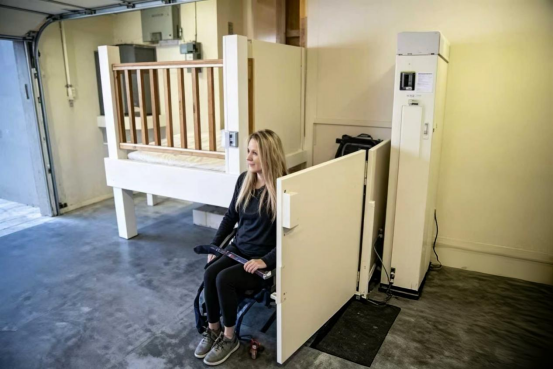
Integrating dedicated home elevators for wheelchairs eliminates the physical strain of transfers by allowing the occupant to roll directly into the cab while remaining seated. This preserves energy, reduces the risk of caregiver injuries, and ensures that a single individual can move between floors entirely unassisted, redefining the concept of barrier-free living. When looking for the absolute best way to future-proof a multi-generational property, customized home elevators for wheelchairs provide the most complete, long-term solution.
Unmatched Structural Stability and Peace of Mind
The primary engineering advantage of choosing home elevators for wheelchairs over basic vertical lifts is structural encapsulation. Operating inside a fully enclosed hoistway or utilizing an integrated structural guide rail network minimizes lateral platform sway. This rigid architecture provides a reassuring sense of stability. High-end home elevators for wheelchairs are constructed with heavy-gauge steel stabilizers to combat this specific side-to-side motion.
Dual-Passenger and Caregiver Capacity
A standard residential lift is often built with a compact footprint designed for a single standing passenger. Conversely, specialized home elevators for wheelchairs are configured with larger cabin dimensions and higher weight ratings. This expanded envelope ensures there is ample clearance to accommodate a heavy motorized power chair alongside a family member or caregiver. Engineering robust home elevators for wheelchairs with these wider cabins ensures long-term utility as medical care requirements evolve over time.
Key Technical Dimensions and Hoistway Engineering
To select the right system for an accessible retrofitting project, you must look closely at the architectural blueprints and mechanical drawings. Variations in drive mechanisms, cabin configurations, and door orientations directly dictate how easily a lift can be integrated into an existing residential floor plan. When architectural firms evaluate home elevators for wheelchairs, they must balance structural load-bearing capacity with interior space conservation.
Drive System Architecture: Hydraulic vs. Shaftless Traction
The mechanical drive system influences both the installation complexity and the ongoing maintenance requirements of the equipment. Choosing between different drive styles is a major step when custom designing home elevators for wheelchairs:
Hydraulic Drive Systems: These systems utilize a remote fluid pump and a heavy-duty piston assembly. Known for their exceptionally smooth ride quality and high weight capacities, hydraulic installations are an excellent choice for premium home elevators for wheelchairs. They do, however, require a small dedicated machine room to house the hydraulic fluid reservoir and control panel.
Inline Gear / Traction Systems: Utilizing an electric motor and a counterweight wire rope network, traction designs eliminate the need for a separate machine room. This makes them highly popular for space-constrained homes that still require full-sized home elevators for wheelchairs.
Shaftless Lifts: For properties where excavating a deep pit or building a permanent masonry shaft is structurally impossible, specialized shaftless home elevators for wheelchairs offer a non-invasive alternative. These compact pods pass through a simple ceiling cutout, guided by freestanding vertical rails.
Interior Car Dimensions and Clear Opening Widths
A lift cannot be considered truly accessible if the user has to struggle to back out of the cabin or turn around. The home elevators for wheelchairs industry follows strict dimensional baselines for residential layouts. The minimum clear cabin floor area should ideally measure at least 36 inches wide by 54 inches deep, though a larger configuration is highly recommended for power chairs. Furthermore, premium home elevators for wheelchairs must provide a minimum clear door opening width of 32 to 36 inches to prevent the user from catching their wheels on the door frames during entry.
Technical Comparison of Residential Vertical Transport Systems
Lift Configuration | Primary Drive System | Standard Weight Capacity | Structural Footprint Required | Best Accessibility Asset |
Luxury Hydraulic Lift | Remote Hydraulic Piston & Pump | 450 kg – 650 kg | Requires dedicated shaftway & machine room | Level flush entry, zero-clearance threshold, automatic sliding doors |
Clear-Floor Traction Elevator | Overhead Electric Motor & Cables | 400 kg | Standard enclosed masonry shaftway | High travel speed, quiet operation, machine room-less design |
Through-the-Floor Lift | Electric Screw Jack or Cable | 250 kg – 300 kg | Minimal footprint (Requires simple ceiling cutout) | Free-standing guide rails, fits into existing bedroom/living room layouts |
Essential Safety Engineering Features
Navigating between floors inside a private residence demands zero compromise on structural and mechanical safety. When sourcing home elevators for wheelchairs, price points must remain secondary to verified international safety compliance, certified structural welding, and multi-layered backup systems.
1. Automatic Interlocking Door Gates
To prevent catastrophic accidental falls, every landing gate and cabin door must be governed by an electromechanical interlock system. These locks ensure that the hoistway doors cannot be opened unless the elevator car has arrived and locked into position at that specific floor. Reliable home elevators for wheelchairs rely heavily on these heavy-duty electrical switches.
2. Light Curtain Obstruction Sensors
The entryways of premium home elevators for wheelchairs are lined with electronic light curtains or infrared sensor arrays. If a wheelchair wheel or a caregiver's hand breaks the invisible light field while the doors are closing, the system instantly reverses the door motion. This touchless safety mechanism is considered an essential component for high-traffic home elevators for wheelchairs.
3. Emergency Communication Hubs
Every accessible residential lift should feature a built-in, hardwired telephone line or an internet-protocol intercom system integrated directly into the cabin operating panel. Installing these communication hubs within home elevators for wheelchairs ensures absolute peace of mind even when home alone.
Frequently Asked Questions (FAQ)
Q1: Can home elevators for wheelchairs be retrofitted into an existing house?
Yes, retrofitting is highly common. If your home lacks the space for an internal masonry shaftway, engineers can build an external hoistway attached to the outside wall of the house. Alternatively, compact home elevators for wheelchairs can be routed through a closet stack or a corner of a living room, requiring only a simple structural cutout through the ceiling.
Q2: What happens if the power goes out while someone is inside the lift?
Safety compliance mandates that high-quality home elevators for wheelchairs must include an emergency battery backup lowering system. If the main electrical grid fails, the elevator will not get stuck between floors. The internal battery system instantly activates, illuminating the cabin and safely lowering the car to the lowest available landing, where it unlocks the doors automatically.
Q3: How do I choose between a swing door and automatic sliding doors for an accessible lift?
While manual swing doors are common, they can be difficult for a wheelchair user to operate independently. For maximum autonomy, the modern home elevators for wheelchairs standard recommends automatic sliding doors or power-assisted door openers that open automatically via a proximity sensor or wall-mounted push button.
Q4: How long does it typically take to install a residential wheelchair elevator?
If you choose traditional hydraulic or traction home elevators for wheelchairs that require a fully enclosed hoistway, the construction and mechanical assembly can take between 1 to 2 weeks after the shaftway is built. A freestanding, shaftless through-the-floor lift can often be mechanically assembled and wired by a certified technician team in just 2 to 3 working days.
Q5: Is a concrete pit absolutely mandatory for every accessible home lift?
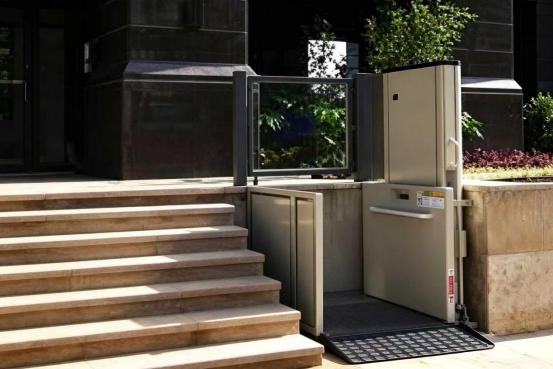
No. While a shallow 6-to-12-inch pit is ideal because it allows the elevator floor to sit completely flush with the surrounding hallway, many advanced home elevators for wheelchairs can be mounted directly on top of the finished floor. In these pitless configurations, a short, gentle aluminum or steel ramp is attached to the threshold, allowing manual and power wheelchairs to transition smoothly up onto the platform.
Conclusion: Partnering with an Expert Manufacturer
Selecting the optimal configuration among the various home elevators for wheelchairs available requires balancing architectural constraints, structural safety metrics, and long-term mechanical reliability. By prioritizing spacious cabin envelopes, touchless light curtain sensors, flush-mounting floor baselines, and redundant battery backup systems, you safeguard your loved ones while permanently optimizing your home’s vertical accessibility.
At Tebolift, we specialize in designing and manufacturing professional-grade residential lifts, commercial mobility hoists, and bespoke vertical transport solutions tailored to the strict accessibility standards of international properties. Our high-performance home elevators for wheelchairs feature premium structural steel frames, whisper-quiet drive mechanisms, and automated safety interlocks engineered to deliver absolute operational peace of mind. Whether you are retrofitting an established multi-family property or drafting plans for a new accessible smart home, our global engineering team is here to provide tailored spatial planning blueprints and precise technical spec sheets for high-quality home elevators for wheelchairs.
For custom equipment blueprints, site-specific pit layout guides, or global wholesale pricing inquiries, please connect with our international sales and support division directly:
Phone / WhatsApp: +8618954171380
Email: info@tebolift.com
Country*
*Email*
*Address
Name*
*Phone*
*City
Message
*

