
Home Elevators Cost: Ultimate 2026 Pricing Guide
Adding a residential lift to your property is no longer just a luxury reserved for multi-million-dollar mansions. Today, homeowners are increasingly investing in residential elevators to improve mobility, facilitate aging in place, and add significant long-term value to their properties. However, planning such an upgrade requires a clear understanding of the financial investment involved.
If you are beginning to plan this home improvement project, you are likely asking: what do home elevators cost in today’s market, and how do different installation choices impact your budget?
In this comprehensive guide, we will break down the true home elevators cost in 2026, comparing different elevator types, exploring structural requirements, revealing hidden installation expenses, and providing practical tips to optimize your budget.
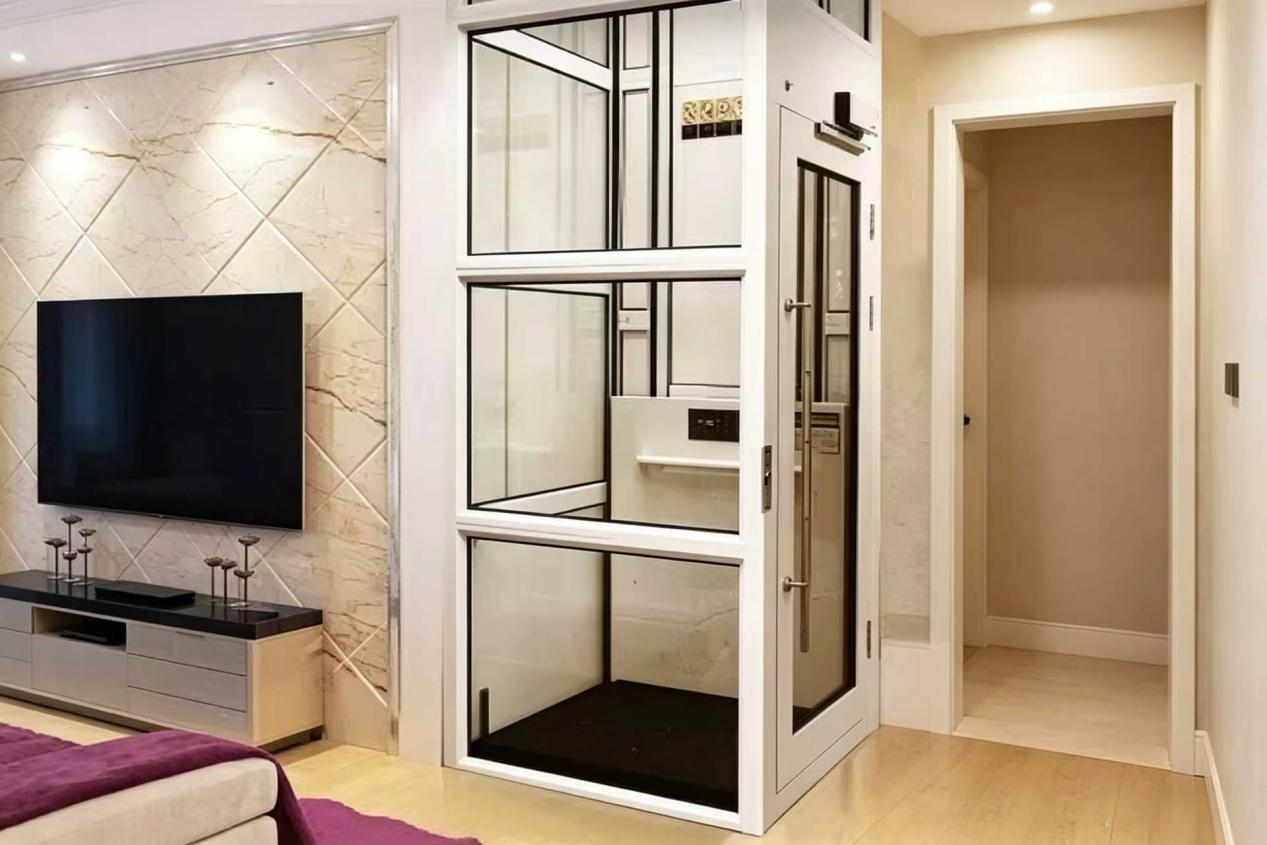
The Average Home Elevators Cost in 2026: A Quick Overview
Generally speaking, installing a standard two-stop residential elevator in 2026 ranges from $20,000 to $100,000+. For a typical residential setup, most homeowners find themselves spending between $35,000 and $60,000 for a complete, fully installed system.
The wide range in home elevators cost is driven by several critical variables: the type of driving mechanism, the number of floors (stops) the cab must service, the complexity of the retrofitting process, and the level of custom aesthetic finishes you select. By understanding how these components interact, you can make an informed decision that aligns your accessibility needs with your budget.
Cost Breakdown by Elevator Type
The core technology powering your lift is the single most significant factor in determining your overall home elevators cost. Different driving systems demand distinct structural preparations, spatial footprints, and maintenance protocols.
1. Shaftless and Through-the-Floor Elevators
If your main goal is to bridge a single floor-to-floor gap with minimal architectural disruption, a shaftless model is an exceptionally cost-effective option. Because they travel through a simple hatch in the ceiling, these systems bypass the need for a dedicated shaft, pit, or separate machine room.
Average Cost (Unit & Labor): $15,000 – $30,000
Key Benefit: Quick, minimally invasive installation that keeps the initial home elevators cost remarkably low.
2. Pneumatic (Vacuum) Elevators
Pneumatic elevators utilize air pressure differentials inside a sealed acrylic or glass cylinder to raise and lower the cab. With their futuristic, panoramic views and ultra-compact footprints, they have become highly popular for modern homes.
Average Cost (Unit & Labor): $35,000 – $60,000+
Key Benefit: No structural shaft, pit, or hoistway is required. The self-supporting structure can be assembled in a matter of days, which dramatically limits construction-related labor expenses.
3. Hydraulic Elevators
The classic standard for residential luxury, hydraulic systems use a powerful fluid-driven piston to move the cab. They provide an incredibly smooth, whisper-quiet ride and easily handle heavy weight capacities.
Average Cost (Unit & Labor): $30,000 – $60,000+
Key Benefit: Highly dependable and ideal for transporting multiple passengers or heavy cargo. However, they require a dedicated machine room to house the pump mechanism and hydraulic fluid tank, adding to your baseline home elevators cost.
4. Cable-Driven / Traction Elevators
Traction elevators operate via a traditional system of steel cables, counterweights, and an electric motor. Traditional models required a machine room overhead, but modern Machine Room-Less (MRL) designs have become the industry standard, utilizing tracks inside the hoistway to save space.
Average Cost (Unit & Labor): $25,000 – $55,000
Key Benefit: Highly energy-efficient and capable of serving up to four or five stories smoothly.
Quick Comparison: Home Elevators Cost and Requirements
To help you compare your options at a glance, the table below outlines typical pricing, space requirements, and ideal applications for the major elevator categories.
Elevator Type | Average Installed Price Range | Space Requirements | Structural Modifications | Best Suited For |
Shaftless / Through-Floor | $15,000 – $30,000 | Minimal (approx. 32" x 40") | Minor ceiling cut-out only | Budget-friendly 2-stop access |
Pneumatic (Vacuum) | $35,000 – $60,000+ | Low (approx. 35" diameter) | Ceiling cut-out, no pit/shaft | Retrofitting modern multi-story homes |
Cable-Driven / Traction | $25,000 – $55,000 | Medium (approx. 48" x 55") | Dedicated shaft & shallow pit | Multi-story homes (3+ floors) |
Hydraulic | $30,000 – $60,000+ | High (needs shaft & machine room) | Dedicated shaft, deep pit, machine room | Heavy loads, quiet operation, luxury builds |
Luxury / Custom Glass | $60,000 – $100,000+ | Varies by design | Custom structural engineering | Architectural centerpieces |
While equipment pricing makes up a large portion of the figures above, you must also consider how installation variables shape the real-world home elevators cost.
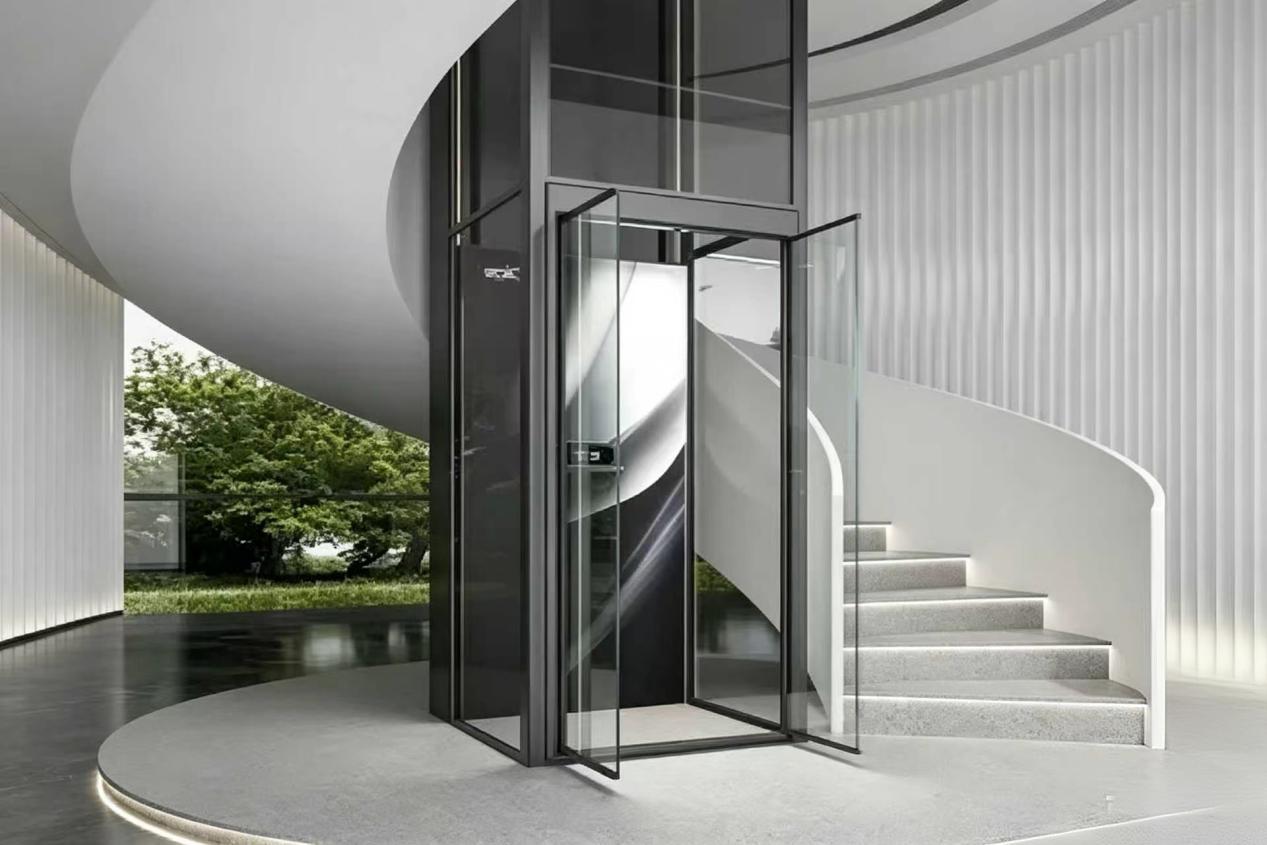
Hidden Installation and Structural Construction Expenses
When looking at retail prices, it is easy to overlook the physical modifications required to integrate a heavy moving machine into your home's framing. These "hidden" labor and construction elements can represent up to 40% of your total budget.
Shaft and Hoistway Construction
Unless you opt for a shaftless or self-supporting pneumatic model, a dedicated, load-bearing shaft must be built from the ground up.
In a new construction home, framing a shaft costs between $5,000 and $12,000.
For an existing home retrofit, cutting through floors, shifting support beams, and framing a code-compliant shaft ranges from $8,000 to $20,000+.
Pit Excavation
Traditional hydraulic and traction models require a "pit" dug into the lowest level of your home (usually 8 to 12 inches deep) to allow the elevator floor to align flush with the bottom landing. Excavating concrete, framing, and waterproofing this pit can add $2,000 to $5,000 to your overall home elevators cost.
Electrical Upgrades
Most modern residential elevators operate on a dedicated 220V/230V circuit. If your home’s existing electrical panel is already running near capacity, you will need to hire a licensed electrician to upgrade your panel or run dedicated electrical conduits. This process typically costs between $1,500 and $5,000.
Permitting, Inspections, and Engineering
Elevator installations are highly regulated to ensure safety. You will need building permits, structural engineering signs-offs, and third-party safety inspections before your system can operate legally. Depending on local municipal fees, this adds $1,000 to $3,000 to your project budget.
Retrofitting vs. New Construction: How It Impacts the Bottom Line
When you build your home from scratch, managing the home elevators cost is relatively straightforward. Architects can easily draw the elevator shaft into the floor plans, keeping structural preparation costs to a minimum.
Retrofitting an elevator into an existing home, however, is a delicate structural puzzle. Engineers must identify load-bearing walls, reroute electrical lines, bypass plumbing and HVAC ductwork, and ensure the foundation can support the heavy machinery. If you are retrofitting, choosing a modern, self-supporting traction or pneumatic system is often the smartest strategy to keep the overall home elevators cost from skyrocketing due to invasive masonry and carpentry work.
Long-Term Maintenance and Operating Expenses
To get an accurate picture of ownership, you should evaluate the ongoing expenses that occur long after the initial installation is complete.
Electricity Consumption: Modern residential systems are incredibly efficient. Many pneumatic and traction models only use power when rising and descend using gravity, resulting in a modest $20 to $50 per month electrical footprint.
Annual Maintenance Contracts: Just like a car, an elevator requires periodic safety checks, lubrication, and door-sensor testing. Annual service contracts typically run between $200 and $600.
Component Repairs: While high-quality equipment is designed to last for decades, occasional parts replacements (such as door locks, safety switches, or minor hydraulic components) can cost between $150 and $1,000 as the system ages.
Planning for these ongoing costs alongside the upfront home elevators cost ensures a smooth, stress-free ownership experience.
Key Strategies to Optimize Your Budget
If you want to keep your final investment closer to the lower end of the spectrum, consider these highly effective cost-saving strategies:
Minimize the Number of Stops: If your home has three floors, ask yourself if you genuinely need the lift to stop on all three levels. Restricting your elevator to only service the garage and the main living floor will instantly lower your equipment and installation expenses.
Opt for Standard Cabin Finishes: Custom hardwood paneling, brass fixtures, and marble tiling can easily add $10,000+ to your bill. Opting for clean, modern, standard laminate or stainless-steel cabin finishes is a simple way to manage the home elevators cost without compromising safety or performance.
Choose Shaftless or Pneumatic Systems: Bypassing shaft construction, pit digging, and machine-room framing is the single most effective way to protect your budget from unpredictable labor costs.
Partner with an Experienced Manufacturer: Buying directly or working with experienced specialists ensures you get competitive manufacturing rates and avoids the hefty markups often charged by local middlemen.
Frequently Asked Questions (FAQ)
1. Does adding an elevator increase my property's resale value?
Yes. Especially in premium real estate markets or neighborhoods with an aging demographic, a home elevator is highly desirable. It typically adds 5% to 10% to a home's overall market value and makes the property appeal to a much broader pool of prospective buyers.
2. Can I install a home elevator myself to save money?
No. Installing a residential lift requires specialized engineering, precise mechanical alignment, high-voltage electrical wiring, and strict adherence to local safety codes. Attempting a DIY installation is highly dangerous and will void your product warranty.
3. How long does the actual installation process take?
The physical installation timeline varies significantly. While a compact, shaftless, or pneumatic lift can be installed in 2 to 4 days, a traditional hydraulic or traction system requiring custom shaft construction and pit excavation can take anywhere from 3 to 8 weeks to complete.
4. What is the most affordable type of home elevator available?
Generally, a standard two-stop shaftless through-the-floor elevator or a basic vertical platform lift represents the lowest baseline investment, with total costs often starting between $10,000 and $15,000.
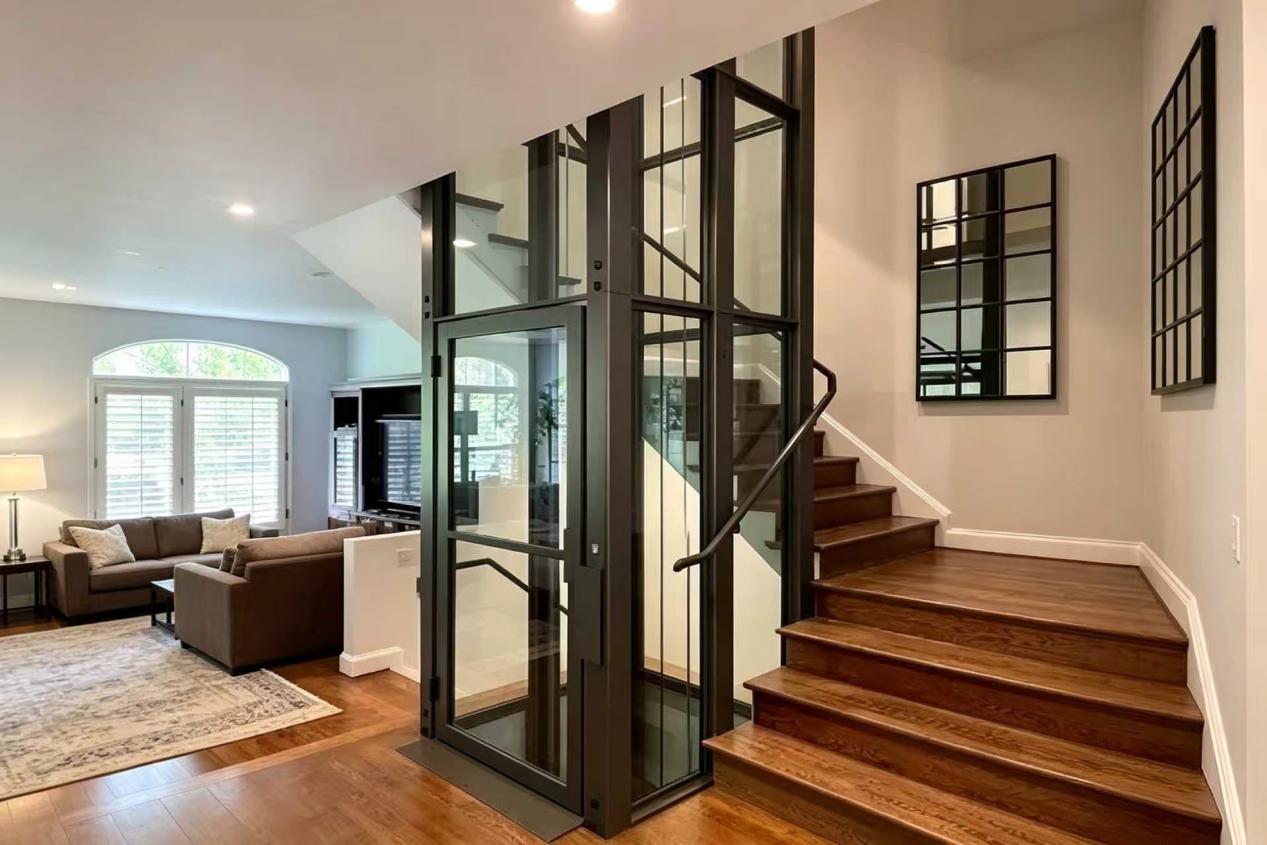
Take the Next Step Toward Premium Home Mobility
Investing in a residential lift is a major decision, but it is one that pays dividends in safety, convenience, and home equity. By understanding the key variables of the home elevators cost—from driving mechanisms to structural modifications—you can confidently design a solution tailored to your daily routine and budget.
Whether you are looking to install a sleek, modern glass lift, a heavy-duty hydraulic elevator, or a space-saving shaftless model, our team is here to help you navigate every step of the process. We design, manufacture, and deliver high-performance, cost-effective residential lifting equipment designed to meet international safety standards.
For expert guidance, personalized product catalogs, or a detailed, obligation-free quote on your custom installation project, get in touch with our engineering team today:
Email: info@tebolift.com
Phone/WhatsApp: +86 189 5417 1380
Country*
*Email*
*Address
Name*
*Phone*
*City
Message
*

