
Elevating Home Convenience: The Ultimate Guide to the Best Residential Cargo Lifts
In modern residential architecture, the trend toward multi-story homes, elevated coastal designs, and properties built on steep inclines has introduced a unique logistical challenge for homeowners. While stilt homes and multi-level floor plans offer breathtaking views and optimal land utilization, they also mean that daily tasks—such as carrying heavy groceries, transporting luggage, moving furniture, or handling seasonal storage—become physically demanding chores. Relying solely on traditional staircases to move bulky goods can lead to physical strain or accidental falls. To address this issue, an increasing number of pro
perty owners are turning to specialized material handling systems to find the best residential cargo lifts available on the market today.
Unlike traditional passenger elevators, which are subject to highly complex structural regulations and substantial installation costs, specialized residential material platforms are designed specifically for moving freight and household goods smoothly between levels. By focusing on durability, weather resistance, and space-saving designs, these external and internal platforms provide a practical, cost-effective alternative for smart homeowners. In this comprehensive guide, we will analyze the core technology, mechanical choices, safety essentials, and installation criteria that define the best residential cargo lifts, helping you choose the perfect system to future-proof your living environment.
Decoding the Mechanics: How Home Material Lifts Work
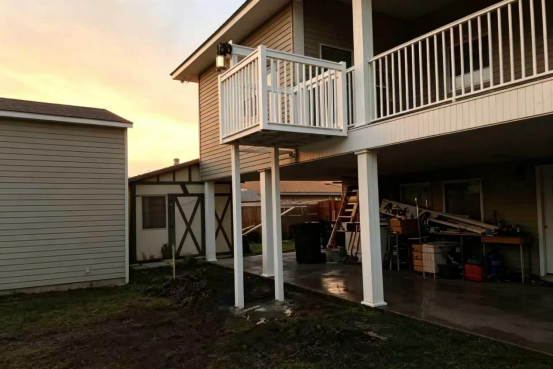
At their foundation, the best residential cargo lifts utilize robust mechanical or hydraulic drive mechanisms to transition materials smoothly across vertical planes. Because they are classified strictly as material lifts rather than passenger transport systems, their engineering is optimized for structural strength, reliable weatherproofing, and straightforward operation.
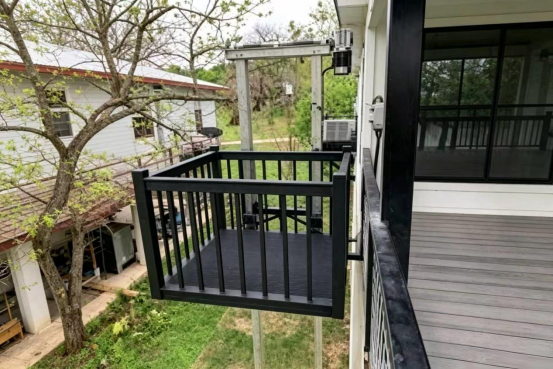
Most high-performing systems feature an open or semi-enclosed cargo basket made of aircraft-grade aluminum or marine-grade stainless steel to prevent rust and corrosion, especially in coastal areas. The platform is attached to a dual-cable or dual-chain drive system supported by heavy-duty steel guide masts. An electric motor, typically operating on a standard residential 220V single-phase power supply, drives a winch or a hydraulic pump to lift the basket. To prevent any possibility of a sudden drop, high-quality manufacturers integrate mechanical dual brakes and slack-cable safety switches. When evaluating the best residential cargo lifts for your property, understanding these fundamental component standards ensures you select a system built to withstand years of constant use.
Distinct Advantages of Premium Home Material Lifts
Integrating a dedicated material lift into your multi-story home provides immediate practical returns that extend far beyond simple convenience. Here are the primary reasons why modern property developers and homeowners invest in the best residential cargo lifts:
Elimination of Physical Strain: Carrying heavy ice chests, firewood, bulk groceries, or propane tanks up multiple flights of stairs is a primary source of domestic back strains and joint fatigue. A premium material platform safely carries the heavy load for you, allowing you to walk up the stairs completely empty-handed.
Remarkable Cost-Effectiveness: Installing a full-sized residential passenger elevator can cost tens of thousands of dollars and requires extensive interior remodeling to build an enclosed shaft. The best residential cargo lifts offer a fraction of that installation footprint and financial investment, as they can be mounted externally against an existing balcony, deck, or porch.
Weather-Resistant Resilience: Because many multi-level properties are located in coastal regions prone to high humidity, salt spray, and extreme storms, the best residential cargo lifts are built with highly resilient finishes. Hot-dipped galvanized steel and powder-coated aluminum components ensure that the structural frame remains impervious to harsh environmental factors.
Enhanced Accessibility and Independence: For aging homeowners or individuals with limited mobility, keeping a multi-story home functional can be tough. Even if an individual can navigate stairs slowly, carrying large objects up at the same time might be impossible. A reliable lift preserves independent living by managing the vertical transit of all heavy household items.
Technical Parameters and Specifications Overview
To assist homeowners and custom builders in identifying the baseline capabilities of market-leading systems, the following table breaks down the typical configurations that characterize the best residential cargo lifts:
Feature / Parameter | Standard Coastal Configuration | |
Weight Capacity | 250 kg – 350 kg (approx. 550 – 770 lbs) | 500 kg – 1,000 kg (approx. 1,100 – 2,200 lbs) |
Maximum Travel Height | Up to 10 meters (2 to 3 stories) | Up to 18 meters (4+ stories) |
Drive Mechanism | Dual-Cable / Aluminum Winch Drive | Heavy-Duty Chain Drive or Hydraulic Cylinder |
Basket Material | Marine-Grade Structural Aluminum | Reinforced Hot-Dipped Galvanized Steel |
Lifting Speed | 6 – 8 meters per minute | 8 – 12 meters per minute |
Power Requirements | 220V Single-Phase, 50/60Hz | 220V Single-Phase or 380V Three-Phase |
Control Interface | Weatherproof Constant-Pressure Remotes | Wired Push-Button Stations at Each Level |
Safety Systems | Slack-Cable Braking & Emergency Stop | Overload Protection, Gate Interlocks & Dual Brakes |
Critical Architectural and Selection Criteria
Selecting the best residential cargo lifts for your specific home requires a detailed review of your architectural layout and your family's daily lifestyle habits. Purchasing a system without evaluating these unique parameters can result in unexpected spatial layout issues.
First, determine the ideal weight capacity. For a standard coastal home where the platform will primarily carry groceries, luggage, and trash bins, a system rated for 300 kg is more than sufficient. However, if your property includes a workshop or if you need to transport heavy wood pallets, water bottles, or dense building materials up to a multi-tier balcony, searching for the best residential cargo lifts with an upgraded 500 kg or 1,000 kg capacity is highly recommended.
Second, evaluate the physical installation site. Most homeowners opt to mount their material lifts along the exterior edge of a back deck, front porch, or adjacent to a garage entryway. The structural pillars supporting your deck must be sturdy enough to handle the lateral forces of the lift masts. The best residential cargo lifts are engineered with flexible mounting brackets that can anchor securely to wood framing, concrete block walls, or structural steel columns.
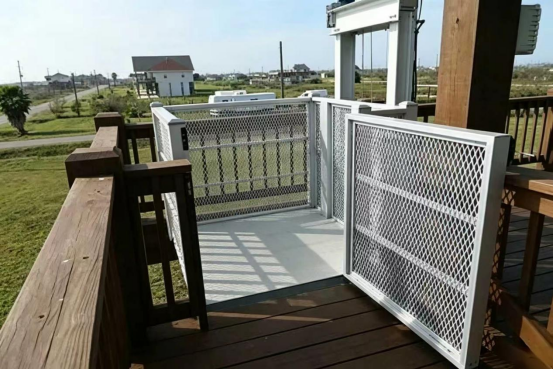
Third, look closely at the safety mechanisms included by the manufacturer. Because these units operate outdoors or in semi-enclosed utility spaces, having completely covered electrical components, emergency stop switches on every level, and mechanical locks that automatically engage when the platform stops is vital. The best residential cargo lifts always prioritize mechanical redundancy over basic electronic sensors, guaranteeing the platform will stay locked in place even during an unexpected coastal power outage.
Versatile Daily Applications for Modern Living
The utility of a high-quality residential material platform changes how a household functions on a daily basis. It removes the stress of returning home from long shopping trips or traveling, making multi-level living effortless.
Consider the simple task of stocking an upper-level kitchen after a bulk shopping trip. Instead of making four or five exhausting trips up a tall flight of stairs, you can place all bags onto the basket at ground level, press a button, and watch your items arrive at the kitchen door in seconds. This convenience is why busy families consistently rank these platforms among the best residential cargo lifts for long-term lifestyle enhancement.
During seasonal transitions, these lifts prove incredibly useful for managing household storage. Moving heavy boxes of holiday decorations, patio furniture cushions, winter clothing trunks, or sports gear up into an attic mezzanine or down to a basement storage bay becomes a swift, organized process. By choosing the best residential cargo lifts, you turn underutilized upper tiers or remote lower basements into easily accessible storage assets.
Long-Term Maintenance and Structural Care
To ensure your investment remains smooth, quiet, and reliable over decades of service, establishing a basic routine for care is highly recommended. Even the best residential cargo lifts require occasional checks to combat the wear and tear of daily use and weather exposure.
Homeowners should visually inspect the steel lifting cables or drive chains once a month to ensure they remain properly aligned and lubricated. Wipe down the vertical guide rails to remove any built-up dust, salt crust, or outdoor debris that could create friction. Furthermore, test the emergency stop buttons and the mechanical safety locks to confirm they engage instantly. Choosing to work with an experienced manufacturer means you will have access to clear maintenance guides, making it easy to keep your system performing like the best residential cargo lifts on the market.
Frequently Asked Questions (FAQs)
Q1: What are the main differences between the best residential cargo lifts and standard home passenger elevators?
A1: Passenger elevators are built with fully enclosed cabins designed to safely carry people, which requires deep concrete pits, large interior shafts, and frequent regulatory inspections. The best residential cargo lifts are open or semi-enclosed platforms built strictly for moving freight, groceries, and household goods, making them much more affordable and easier to install externally.
Q2: Can the best residential cargo lifts withstand severe winter weather and coastal salt air?
A2: Yes, high-quality models are engineered specifically for outdoor settings. The best residential cargo lifts utilize marine-grade aluminum, stainless steel hardware, and hot-dipped galvanized steel tracks paired with sealed, weatherproof electrical enclosures to resist rust and moisture damage completely.
Q3: Is a concrete foundation mandatory to install a home material cargo lift?
A3: While a flat concrete pad at ground level is the ideal landing zone for stability, the best residential cargo lifts can also be anchored securely to a reinforced wood deck base or structural patio blocks, depending on your building's engineering layout.
Q4: How noisy is a residential material platform during operation?
A4: Modern systems are remarkably quiet. The best residential cargo lifts utilize precision-aligned guide rollers and insulated electric motors, ensuring the lift glides smoothly and produces nothing more than a low, gentle hum that will not disrupt your household or neighbors.
Q5: What safety features should I look for when searching for the best residential cargo lifts?
A5: You should prioritize systems that feature redundant mechanical slack-cable braking systems, emergency stop buttons at every landing point, non-skid platform surfaces, and safety gates with automatic locking mechanisms to prevent the lift from moving if a gate is left open.
Conclusion
When multi-level living or elevated coastal architecture creates logistical boundaries on your property, finding a reliable vertical material solution becomes a top priority. By bypassing the high costs of complex passenger elevators and avoiding the daily dangers of steep staircases, the best residential cargo lifts provide a smart, durable, and affordable blueprint for home optimization.
By carefully matching your building's structural layout with a certified, weather-resistant lifting platform, you can protect your physical health, enhance your home's functionality, and add long-term market value to your real estate investment.
For specialized technical blueprints, precise architectural evaluation, and competitive pricing on the best residential cargo lifts customized exactly for your property layout, please contact our expert manufacturing team today.
Contact Us:
Phone: +86 18954171380
Email: info@tebolift.com
Country*
*Email*
*Address
Name*
*Phone*
*City
Message
*

